Mosquito & tick control in Long Island City: what to know
Long Island City is dominated by new-construction high-rise towers alongside older industrial buildings. The high-rises face elevator-and-riser-borne cockroach and rodent pressure; the converted industrial stock adds 'water bug' and rodent issues from basements and shared utilities.
Dense vertical living and shared trash and loading areas in large towers sustain pest pressure regardless of how new the building is.
High tenant turnover in the rental towers makes bed bug awareness important.
How much does mosquito & tick control cost in Long Island City?
$50–$2,500
Per-visit: $80–$150. Per-season average: $350–$1,000 (property-dependent; quarter/half-acre seasonal average ~$500). Overall reported range: $50–$2,500. Larvicide-only visits: $80–$120.
| Per-visit | $80–$150 per visit |
| Per-season | $350–$1,000 per season |
US national figure — NYC typically runs higher.
Market range — not our quote
This is a market range synthesised from published cost guides — not a quote from this provider. The actual price depends on an in-person or photo-based inspection.
US national, yard/property-based figures — most NYC pest-control demand is apartment/building interior, so these outdoor-yard-oriented ranges apply best to NYC rowhouse/backyard or small-business-patio contexts, not typical apartment units. No NYC-specific mosquito guide found.
What drives the price
- Property/yard size
- Treatment method (adult spray vs larvicide briquettes vs misting system)
- Single visit vs full-season recurring plan (every ~21 days, April–September)
- Contract length
Signs you need mosquito & tick control
- Mosquitoes making a yard, patio or courtyard unusable
- Standing water in drains, planters, or low spots
- Ticks on pets or in tall grass and shaded vegetation
How we treat mosquito & tick control in Long Island City
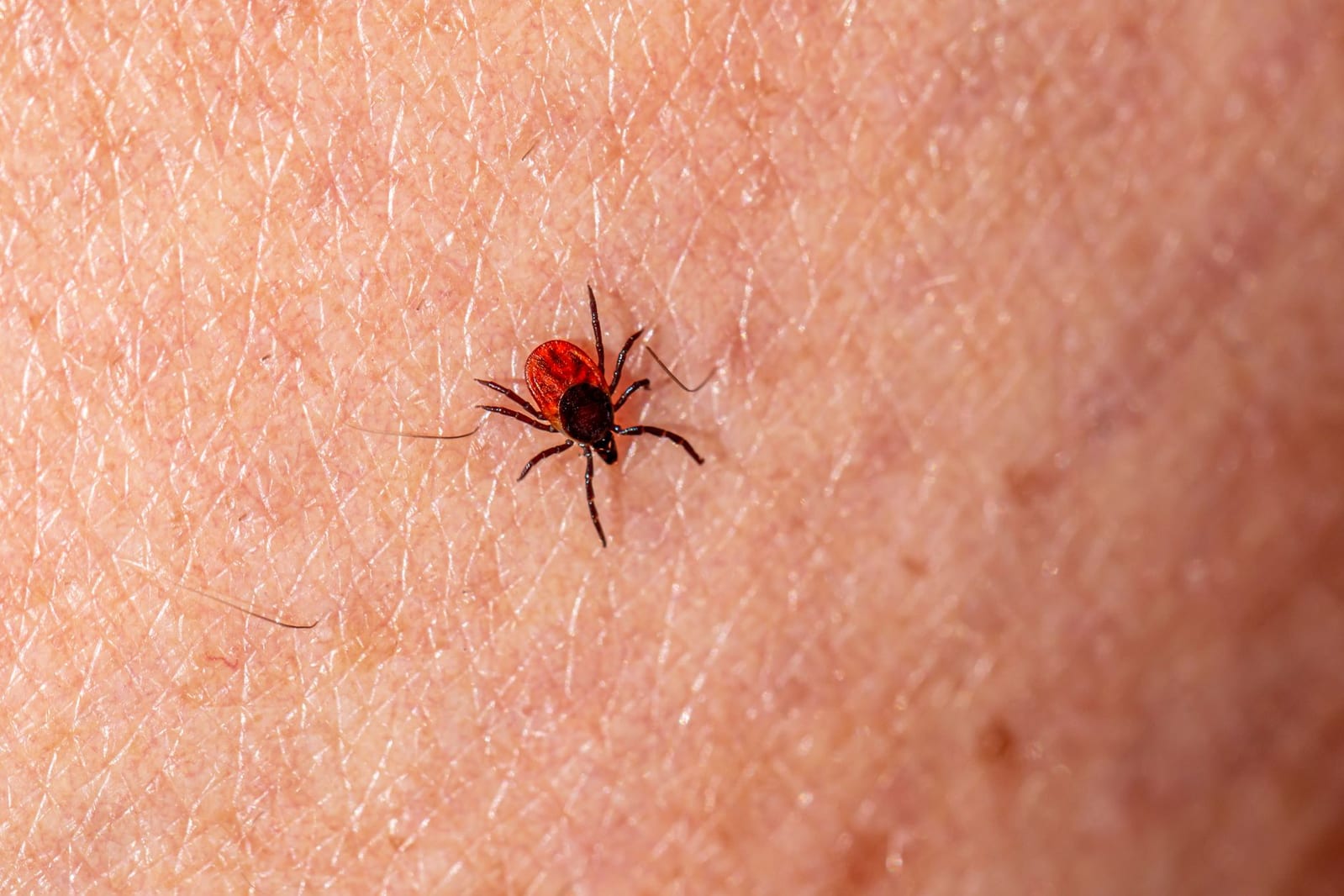
Mosquitoes and ticks turn a backyard, garden or building courtyard into a no-go zone in the warm months — and both carry disease (West Nile, Lyme). Standing water, shaded vegetation and leaf litter are where they breed and rest.
We treat the resting and breeding areas — dense shrubs, shaded perimeters, standing-water sources — to knock down the population and break the breeding cycle, with seasonal programmes that maintain protection through the summer.
Local landmarks & coverage
We serve all of Long Island City and the surrounding Queens area — including Gantry Plaza State Park, Court Square, Pepsi-Cola sign, MoMA PS1 — across ZIP codes 11101, 11109.