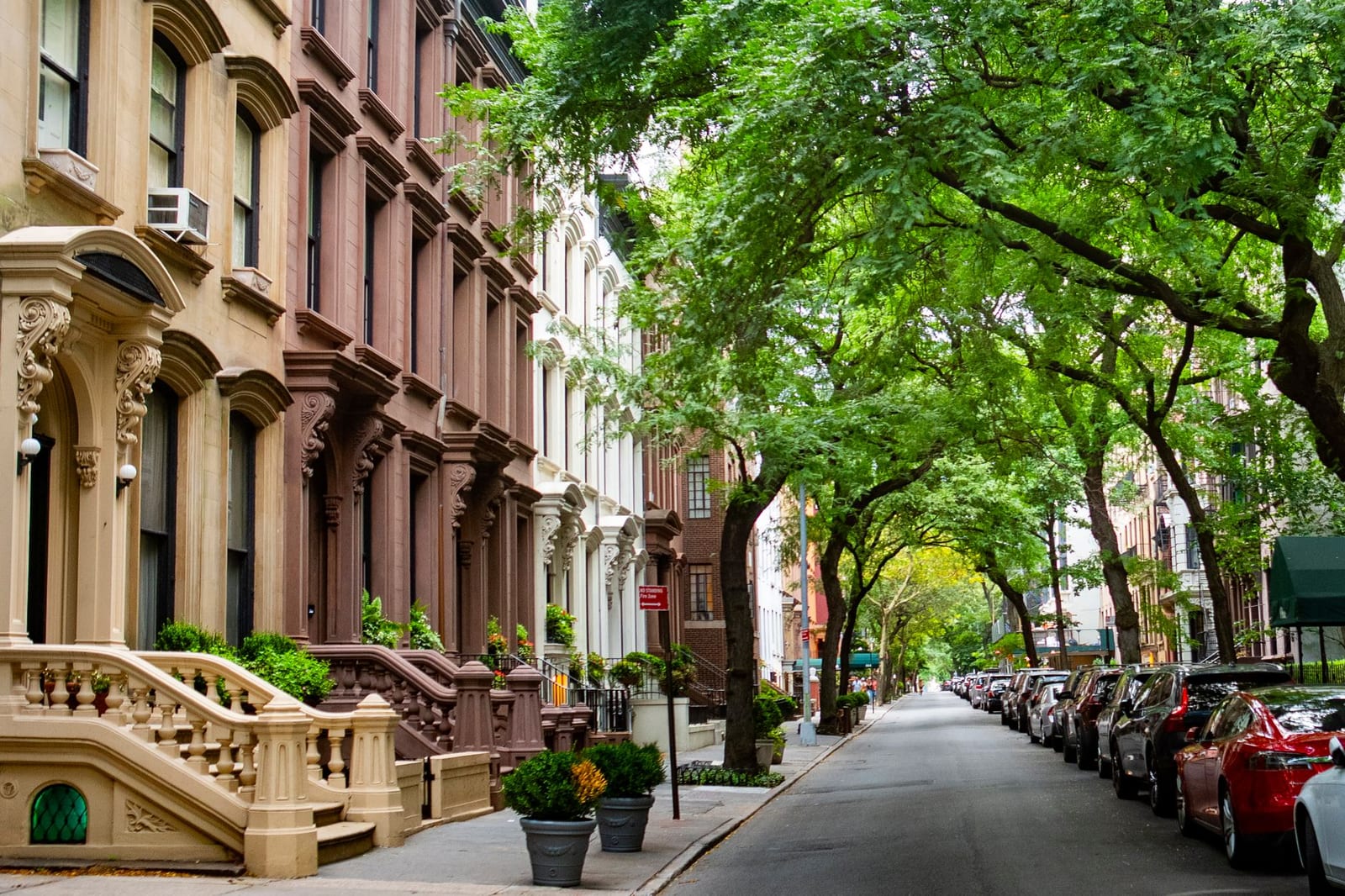
Residential pest control in Flushing means treating the apartment in front of us while accounting for the pressures unique to this neighbourhood: one of Queens' busiest commercial and restaurant corridors along Main Street driving rodent and cockroach activity into surrounding buildings, and residential turnover rates high enough that bed bugs are a recurring concern independent of how clean or well-kept a unit is.
The mix of older multi-family buildings and newer developments here also means entry points differ — shared risers and basements in older stock, tighter but not immune newer construction — so a full inspection checks the unit, shared walls, and where relevant, adjoining apartments.
Proximity to Flushing Meadows–Corona Park adds a seasonal layer for some properties — rodent, mosquito, and stinging-insect pressure that builds through warmer months near the park edge.
Residential pest control in NYC: what the law and the research say
Under NYC's Asthma-Free Housing Act (Local Law 55 of 2018), owners of buildings with three or more apartments must keep units free of pests — including mice, rats and cockroaches — inspect at least once a year, and use Integrated Pest Management to fix the conditions that let pests in. Renters can hold a landlord to this standard, and a licensed treatment record helps document the request. (NYC HPD — Indoor Allergen Hazards (Mold and Pests), Local Law 55 of 2018)
Cockroaches and mice are common household asthma triggers; the CDC advises controlling them by removing food and crumbs and cleaning often, and specifically warns to "avoid using sprays and foggers as these can cause asthma attacks" — a key reason we favour targeted baiting over broadcast spraying in occupied homes. (CDC — Controlling Asthma)
The US EPA describes Integrated Pest Management (IPM) as "an effective and environmentally sensitive approach to pest management" that uses methods posing "the least possible hazard to people, property, and the environment" — prevention, exclusion and monitoring first, with targeted treatment only where it is actually needed. (US EPA — Integrated Pest Management (IPM) Principles)
A controlled trial in New York City apartments found units receiving IPM had significantly lower cockroach counts at 3 months, and roughly 60% lower cockroach-allergen (Bla g 2) levels in beds at 6 months, than untreated units — direct evidence that the prevention-first approach works in real NYC housing. (Environmental Health Perspectives (2009) — IPM in NYC public housing)
Targeted (IPM) vs spray-only pest control in an occupied home
| Targeted / IPM | Spray-only | |
|---|---|---|
| Approach | Find and seal entry points + sources, treat where needed | Broadcast pesticide across surfaces |
| Pesticide in the home | Minimised — baits + targeted application | Higher and repeated |
| Asthma / allergen risk | Lower — foggers and sprays avoided indoors | Foggers and sprays can trigger attacks (CDC) |
| How long it lasts | Longer — the way pests got in is closed off | Pests return once the spray breaks down |
How much does residential pest control cost in NYC?
$40–$900
One-time visit: $150–$500 (varies further by home size, e.g. $250–$450 at 1,000 sq ft up to $450–$750 at 3,000 sq ft). Monthly plan visit: $40–$70. Quarterly plan: $100–$300/visit or $400–$900/year. Initial/first visit under a plan often $150–$300 (sometimes waived on annual contracts).
| One-time visit | $150–$500 per visit |
| Monthly plan | $40–$70 per visit |
| Quarterly plan | $400–$900 per year |
US national figure — NYC typically runs higher.
Market range — not our quote
This is a market range synthesised from published cost guides — not a quote from this provider. The actual price depends on an in-person or photo-based inspection.
US national anchor (ThisOldHouse); direct fetch of Angi's NY-geo-targeted page returned HTTP 403 so its exact NYC figure could not be independently confirmed beyond search-snippet level — treated with extra caution.
What drives the price
- Plan type (one-time vs monthly vs quarterly vs annual contract)
- Home/apartment size
- Infestation severity (mild $100–$500, moderate $300–$700, severe $1,000–$8,000)
- Contract discount (annual contracts sometimes 10–15% below month-to-month)
Signs you have a home pest control problem
- Pest activity that returns after a neighbouring unit is treated or vacated
- Bed bug signs following a move, new roommate, or furnished-room turnover
- Rodent or roach activity in buildings near the Main Street restaurant corridor
- Seasonal upticks for properties close to Flushing Meadows–Corona Park
Why Flushing sees this
Flushing's Main Street commercial and restaurant core drives rodent and cockroach pressure into surrounding residential buildings at a level higher than many other Queens neighbourhoods.
Flushing's high residential turnover — including furnished-room rentals subdivided among several tenants — makes bed bugs a recurring concern independent of housekeeping standards.
NYC Health Code pest-harbourage obligations apply to landlords across Flushing's mix of older multi-family buildings and newer developments, and DOHMH accepts 311 complaints for any address in the neighbourhood.