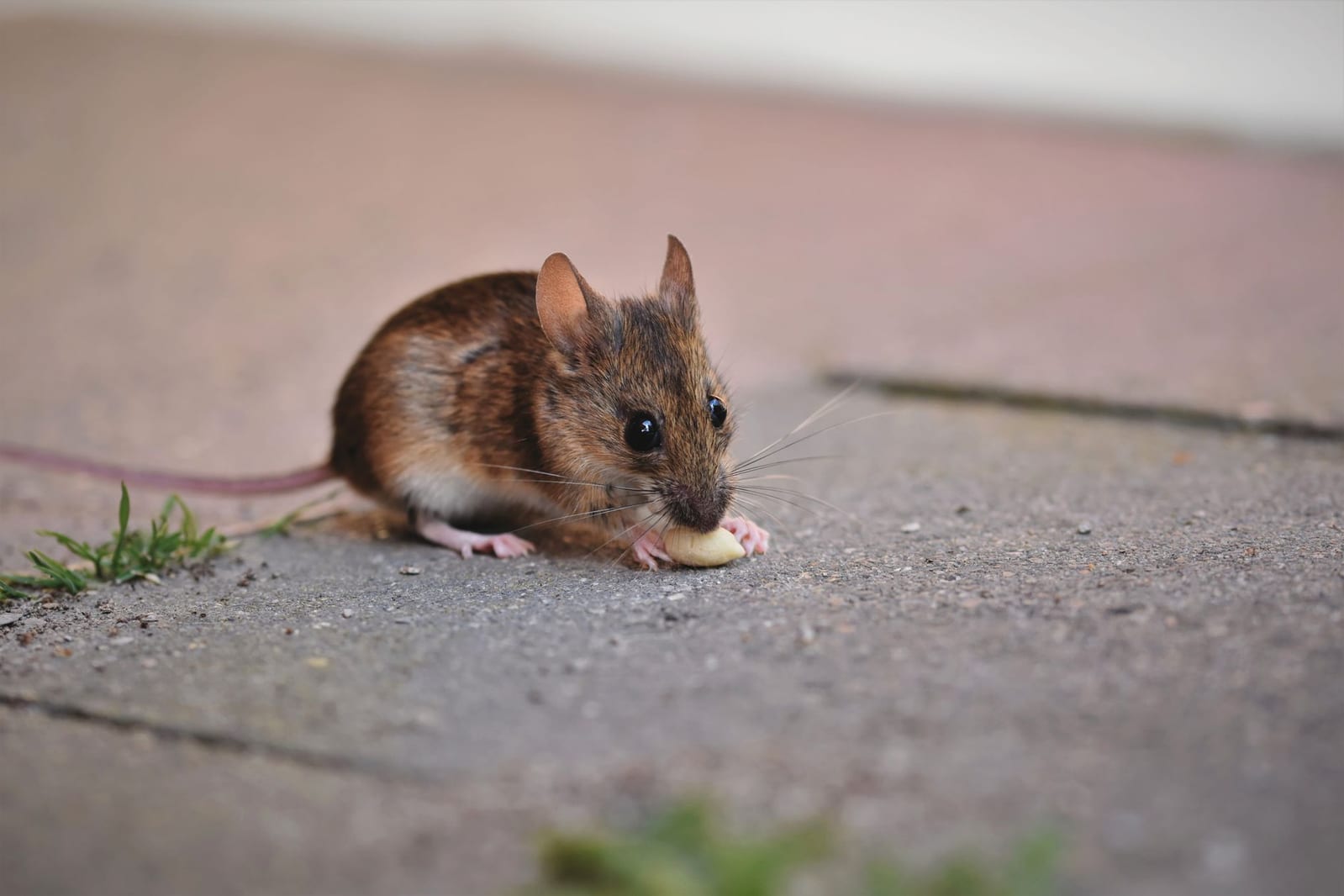
Rodent control in Long Island City: what to know
Long Island City is dominated by new-construction high-rise towers alongside older industrial buildings. The high-rises face elevator-and-riser-borne cockroach and rodent pressure; the converted industrial stock adds 'water bug' and rodent issues from basements and shared utilities.
Dense vertical living and shared trash and loading areas in large towers sustain pest pressure regardless of how new the building is.
High tenant turnover in the rental towers makes bed bug awareness important.
How much does rat & mouse control cost in Long Island City?
$200–$1,200
One-time baiting: $200–$500. Exclusion (baiting + entry-point sealing): $400–$900. Ongoing monitoring: $100–$200/month. NYC per-treatment overall: $300–$1,200 (avg ~$475). National per-visit average: $345 (range $216–$495).
| One-time baiting | $200–$500 per treatment |
| Exclusion (baiting + sealing) | $400–$900 per treatment |
| Ongoing monitoring | $100–$200 per month |
Market range — not our quote
This is a market range synthesised from published cost guides — not a quote from this provider. The actual price depends on an in-person or photo-based inspection.
Angi's $345 average (range $216–$495) is the only tier-1, NYC-geo-targeted figure found and is notably lower than the tier-2 NYC blogs' $300–$1,200 claim. Both are shown — do not collapse into a single misleadingly precise number.
What drives the price
- Baiting-only vs full exclusion (sealing entry points)
- Number of visits needed for heavy infestation (3–5 visits can total $700–$1,500)
- Building type / density
- Ongoing monitoring plan vs one-off
Signs you need rodent control
- Droppings in kitchen cabinets, along baseboards, or in shared basement areas
- Gnaw marks on food packaging, wood trim, or utility penetrations
- Scratching in walls or ceilings at night, especially in buildings near Main Street's restaurant corridor
- Grease (rub) marks along the same travel route night after night
- Sightings that increase after a neighbouring unit is treated or a nearby restaurant has activity
How we treat rodent control in Long Island City
Flushing is one of the densest, busiest neighbourhoods in Queens, with a major commercial and restaurant core around Main Street that drives heavy rodent pressure into the surrounding apartment buildings and homes. Restaurant-adjacent buildings, shared basements, and the older multi-family stock common here give Norway rats and house mice plenty of harbourage and travel routes between units.
Flushing Meadows–Corona Park's proximity adds a seasonal layer on top of that commercial-corridor pressure — outdoor rodent activity near the park edge can push into adjacent residential blocks, especially as temperatures cool in autumn.
Local landmarks & coverage
We serve all of Long Island City and the surrounding Queens area — including Gantry Plaza State Park, Court Square, Pepsi-Cola sign, MoMA PS1 — across ZIP codes 11101, 11109.