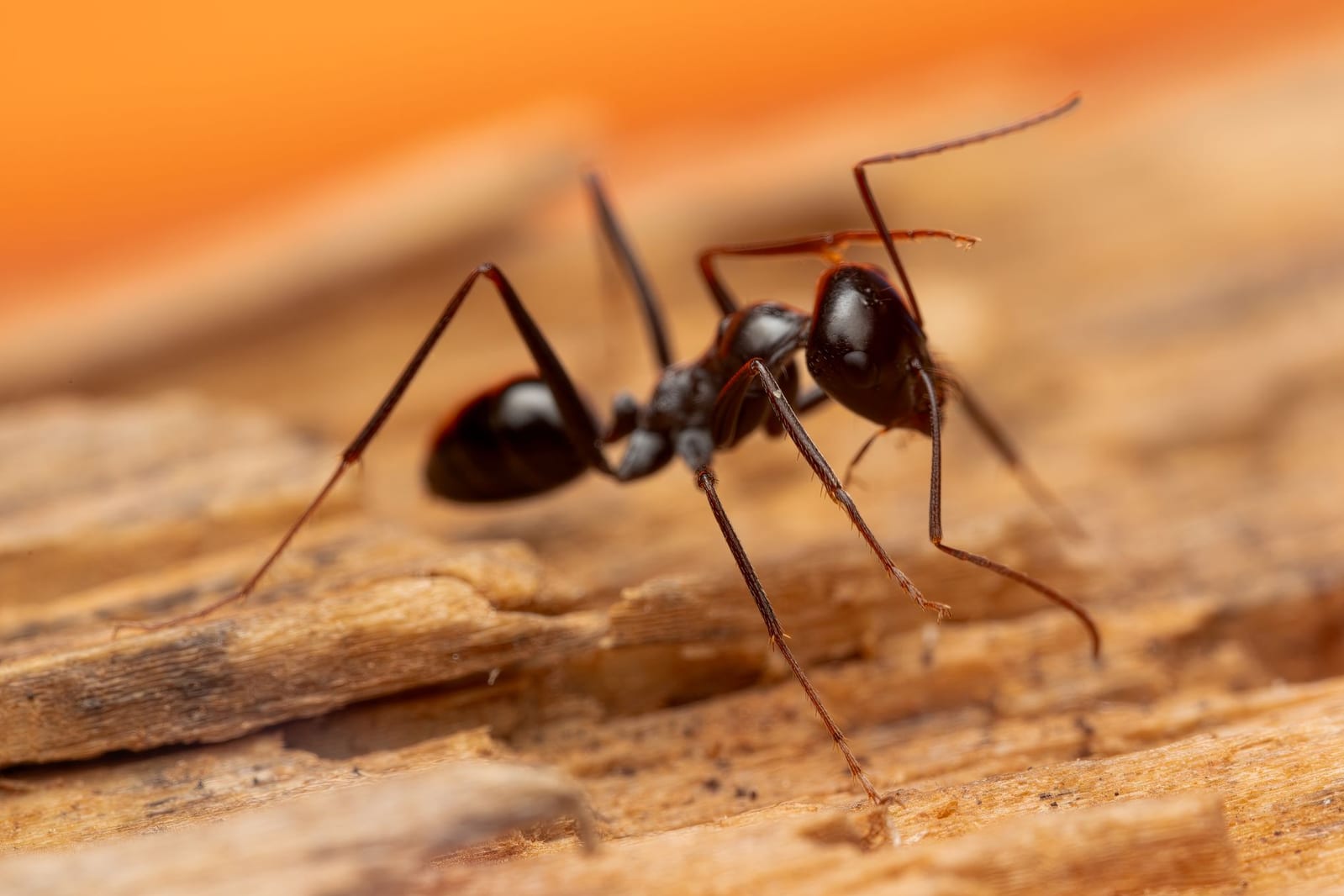
Ant control is among the most common pest issues we treat in Queens Village. Older homes with basements and crawl spaces are prone to rodents and to carpenter ants where there's moisture.
Ant control in Queens Village: what to know
Queens Village is largely detached and semi-detached single-family homes with yards and gardens — a very different pest profile from Manhattan's apartments. Expect more ants, stinging insects, wildlife (squirrels, raccoons) and mosquito/tick pressure.
Mature trees and proximity to Alley Pond Park add wildlife and seasonal outdoor-pest pressure, with animals seeking attic and soffit entry as weather cools.
Older homes with basements and crawl spaces are prone to rodents and to carpenter ants where there's moisture.
How much does carpenter ant & ant control cost in Queens Village?
$60–$500
National average: $150–$250 per visit (Angi). Typical single treatment: $80–$500 (small infestation). Bob Vila national range: $60–$215. Follow-up/retreatment visits: $40–$120.
US national figure — NYC typically runs higher.
Market range — not our quote
This is a market range synthesised from published cost guides — not a quote from this provider. The actual price depends on an in-person or photo-based inspection.
US national — NYC typically higher; no NYC-specific ant cost guide located, unlike bed bugs/rats/roaches.
What drives the price
- Infestation location (attic/basement/exterior walls cost more than kitchen/living space due to access difficulty)
- Severity
- Treatment method
- One-off vs follow-up retreatment
Signs you need ant control
- Ant trails along baseboards, window sills, or kitchen counters
- Ants concentrated near a sink, damp wall, or basement area in older buildings
- Winged ants indoors, which can signal an established colony rather than just foragers
- Small piles of frass-like debris near a wall void or damp area
How we treat ant control in Queens Village
Ant problems in Flushing usually trace to one of two patterns tied to the neighbourhood's housing mix: foraging ants moving in from outside through foundation or window gaps in older multi-family buildings, or a moisture-damaged void — a leaking pipe, a damp basement wall — that's sustaining a colony indoors. Newer developments here tend to see more of the first pattern; older buildings more of the second.
We confirm which is happening before recommending treatment, because baiting a foraging trail from outside is a different job from finding and treating a moisture-fed colony hidden in a wall void.
Local landmarks & coverage
We serve all of Queens Village and the surrounding Queens area — including Jamaica Avenue, Cross Island Parkway, Alley Pond Park — across ZIP codes 11427, 11428, 11429.