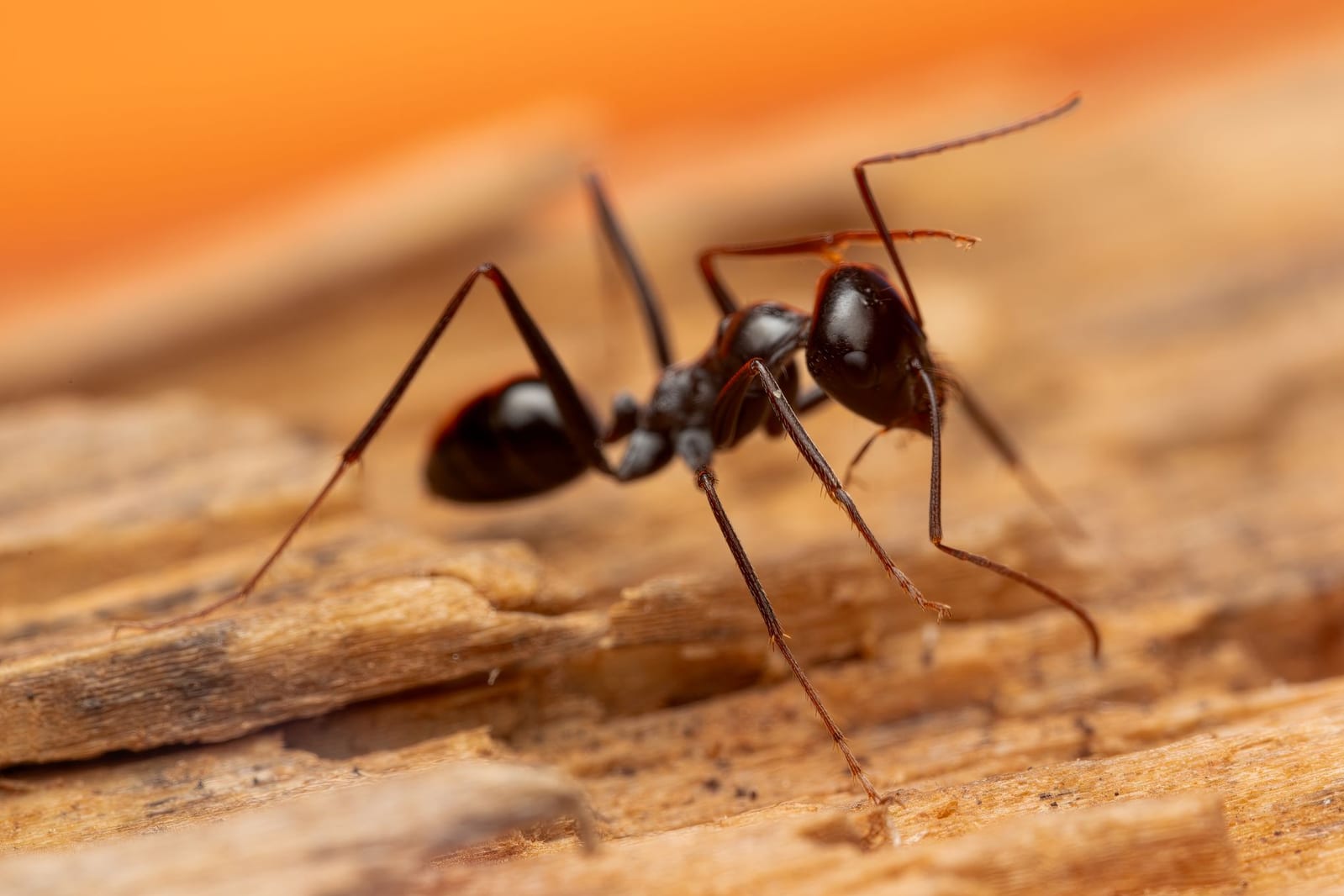
Ant control is among the most common pest issues we treat in Flushing. Proximity to Flushing Meadows–Corona Park adds seasonal rodent, mosquito and stinging-insect pressure.
Ant control in Flushing: what to know
Flushing is one of the densest, busiest neighbourhoods in Queens, with a major commercial and restaurant core around Main Street that drives heavy rodent and cockroach pressure into the surrounding apartment buildings and homes.
The mix of older multi-family buildings, newer developments and one of the city's busiest food-service districts makes rodents, German cockroaches and bed bugs persistent concerns.
Proximity to Flushing Meadows–Corona Park adds seasonal rodent, mosquito and stinging-insect pressure.
How much does carpenter ant & ant control cost in Flushing?
$60–$500
National average: $150–$250 per visit (Angi). Typical single treatment: $80–$500 (small infestation). Bob Vila national range: $60–$215. Follow-up/retreatment visits: $40–$120.
US national figure — NYC typically runs higher.
Market range — not our quote
This is a market range synthesised from published cost guides — not a quote from this provider. The actual price depends on an in-person or photo-based inspection.
US national — NYC typically higher; no NYC-specific ant cost guide located, unlike bed bugs/rats/roaches.
What drives the price
- Infestation location (attic/basement/exterior walls cost more than kitchen/living space due to access difficulty)
- Severity
- Treatment method
- One-off vs follow-up retreatment
Signs you need ant control
- Ant trails along baseboards, window sills, or kitchen counters
- Ants concentrated near a sink, damp wall, or basement area in older buildings
- Winged ants indoors, which can signal an established colony rather than just foragers
- Small piles of frass-like debris near a wall void or damp area
How we treat ant control in Flushing
Ant problems in Flushing usually trace to one of two patterns tied to the neighbourhood's housing mix: foraging ants moving in from outside through foundation or window gaps in older multi-family buildings, or a moisture-damaged void — a leaking pipe, a damp basement wall — that's sustaining a colony indoors. Newer developments here tend to see more of the first pattern; older buildings more of the second.
We confirm which is happening before recommending treatment, because baiting a foraging trail from outside is a different job from finding and treating a moisture-fed colony hidden in a wall void.
Local landmarks & coverage
We serve all of Flushing and the surrounding Queens area — including Main Street, Flushing Meadows–Corona Park, Downtown Flushing — across ZIP codes 11354, 11355, 11358.